

Automation control module
Automation Control Module: A Comprehensive Overview An automation control module is a critical component in modern industrial and manufacturing systems, designed to streamline processes, enhance efficiency, and reduce human intervention. It serves as the brain of automated systems, integrating hardware and software to monitor, control, and optimize operations across various applications, from production lines to smart buildings. Key Components and Functionality 1. Microcontroller/PLC (Programmable Logic Controller): The core of the module, responsible for executing control algorithms and processing input/output signals. PLCs are widely used due to their reliability and adaptability in harsh environments. 2. Sensors and Actuators: Sensors collect real-time data (e.g., temperature, pressure, motion), while actuators execute commands (e.g., motors, valves). The module processes sensor inputs to trigger precise actuator responses. 3. Communication Interfaces: Modules often support protocols like Modbus, Ethernet/IP, or CAN bus to interface with other devices, enabling seamless integration into larger automation networks. 4. Human-Machine Interface (HMI): Provides operators with visualization tools (e.g., touchscreens) to monitor system status and adjust parameters. Applications - Industrial Automation: Controls robotic arms, conveyor systems, and CNC machines to ensure precision and repeatability. - Building Automation: Manages HVAC, lighting, and security systems for energy efficiency. - Process Control: Regulates variables like flow rate or chemical composition in refineries and water treatment plants. Advantages - Increased Productivity: Reduces manual labor and minimizes errors. - Scalability: Modular designs allow for easy expansion or reconfiguration. - Remote Monitoring: IoT-enabled modules enable real-time data access and predictive maintenance. Challenges - Cybersecurity Risks: Networked modules require robust encryption to prevent unauthorized access. - Complexity: Integration with legacy systems may demand specialized expertise. Future Trends Advancements in AI and edge computing are enabling smarter, self-learning modules capable of adaptive control. The rise of Industry 4.0 further emphasizes interoperability and data-driven decision-making. In summary, automation control modules are indispensable in modern engineering, driving efficiency, safety, and innovation across industries. Their continued evolution promises even greater automation capabilities in the future.
Products
Category:
-
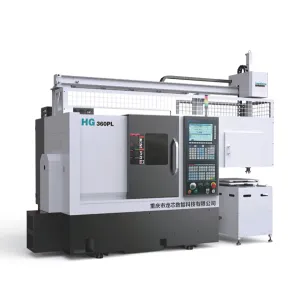
Standalone automation module
Category: Automation SeriesBrowse number: 8Number:Release time: 2025-12-11 14:35:54Standalone automation module refer to automated systems composed of multiple independent modules. Each module has specific functions and tasks, and can be combined and configured as needed. This type of equipment typically includes multiple technologies such as mechanical, electrical, electronic, and software, enabling highly automated production processes.1. Improve production efficiency: Independent automation module can achieve high-speed, continuous, and precise production, greatly improving production efficiency. Compared to traditional manual operations, it can complete tasks more quickl...
News
Category:
-
[Industry News]Difficulties in achieving the special process requirements o...
2025-12-13 11:21:19
Case
Category:
No search results found!
Video
Category:
No search results found!
Download
Category:
No search results found!
Job
Category:
No search results found!
Featured Products
No search results found!



 Phone
Phone