

Standalone automation module
Standalone Automation Module: A Comprehensive Overview A standalone automation module is a self-contained unit designed to perform specific tasks autonomously, without requiring integration into a larger system. These modules are widely used across industries to enhance efficiency, reduce human intervention, and improve accuracy in repetitive or complex processes. Key Features 1. Autonomous Operation: The module operates independently, executing predefined tasks based on programmed logic or sensor inputs. It does not rely on external control systems, making it highly reliable. 2. Modularity: Designed for flexibility, it can be easily deployed or reconfigured for different applications without extensive modifications. 3. Scalability: Multiple standalone modules can work in parallel or be integrated into a network for larger-scale automation. 4. User-Friendly Interface: Many modules include intuitive interfaces (e.g., touchscreens or software dashboards) for easy setup, monitoring, and troubleshooting. 5. Energy Efficiency: Optimized for low power consumption, making them suitable for remote or battery-operated applications. Applications - Manufacturing: Handling assembly, sorting, or quality inspection tasks. - Agriculture: Automating irrigation, harvesting, or monitoring environmental conditions. - Logistics: Managing inventory, packaging, or autonomous material transport. - Healthcare: Assisting in diagnostics, sample processing, or medication dispensing. - Smart Homes: Controlling lighting, security, or climate systems. Advantages - Reduced Downtime: Minimal dependency on external systems ensures continuous operation. - Cost-Effective: Lower installation and maintenance costs compared to centralized automation systems. - Quick Deployment: Plug-and-play functionality allows rapid implementation. - Enhanced Precision: Eliminates human error in repetitive tasks. Challenges - Limited Adaptability: Some modules may lack the flexibility to handle unanticipated scenarios. - Maintenance Requirements: Regular updates and hardware checks are necessary for optimal performance. Future Trends Advancements in AI and IoT are enabling smarter standalone modules with adaptive learning and wireless connectivity, expanding their capabilities in dynamic environments. In summary, standalone automation modules offer a practical, efficient, and scalable solution for diverse automation needs, driving productivity across multiple sectors.
Products
Category:
-
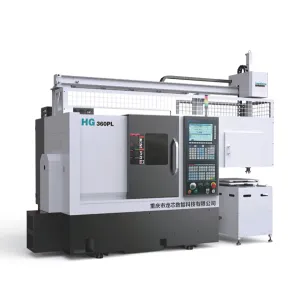
Standalone automation module
Category: Automation SeriesBrowse number: 8Number:Release time: 2025-12-11 14:35:54Standalone automation module refer to automated systems composed of multiple independent modules. Each module has specific functions and tasks, and can be combined and configured as needed. This type of equipment typically includes multiple technologies such as mechanical, electrical, electronic, and software, enabling highly automated production processes.1. Improve production efficiency: Independent automation module can achieve high-speed, continuous, and precise production, greatly improving production efficiency. Compared to traditional manual operations, it can complete tasks more quickl...
News
Category:
-
[Industry News]Difficulties in achieving the special process requirements o...
2025-12-13 11:21:19
Case
Category:
No search results found!
Video
Category:
No search results found!
Download
Category:
No search results found!
Job
Category:
No search results found!
Featured Products
No search results found!



 Phone
Phone